100 years of Kristen Nygaard: Celebrating a pioneer who helped shape modern computing
For most people, the name Kristen Nygaard is unfamiliar. Yet much of the software we use every day is built on ideas he developed more than 60 years ago.
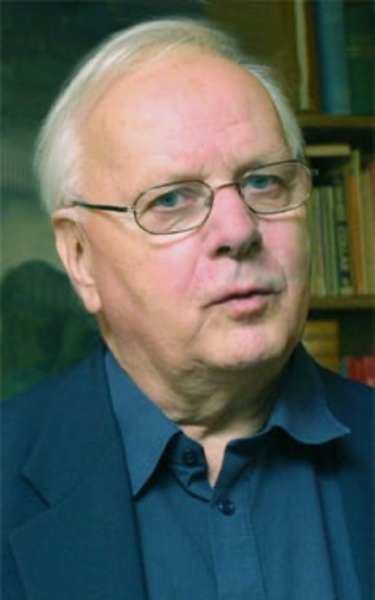
Together with Ole-Johan Dahl, the Norwegian computer scientist introduced concepts that fundamentally changed how software is designed. Their work on the SIMULA programming languages laid the foundation for object-oriented programming, an approach that continues to influence the software behind everything from mobile apps and online banking to business systems and modern AI applications. Today, object-oriented programming remains one of the dominant paradigms in software development. For this groundbreaking work, Nygaard and Dahl received the 2001 ACM A.M. Turing Award, often referred to as the "Nobel Prize of Computing".
But Nygaard's influence extended far beyond programming languages. In the early 1970s, he helped establish what later became known as participatory design, an approach that actively involves the people who will ultimately use technology in its design and development.
In 1975, Kristen organized a Nordic conference on systems development with participants from both research, trade unions and management. This became the frist event in what is now the series of Decennial Aarhus Conferences on themes like democracy and critical action.
At a time when computers were primarily viewed as technical systems, Nygaard argued that successful technology also had to consider the needs, knowledge and experiences of its users. Today, participatory design continues to influence research and practice in human-computer interaction, digital product development and systems design around the world.
A lasting connection to Aarhus University
Kristen Nygaard's influence is also deeply woven into the history of Aarhus University's Department of Computer Science.
As a visiting professor in the early 1970s, he initiated research in object-oriented programming and systems development that continued to grow over the following decades. He maintained close collaborations with researchers at the department until his death in 2002, helping establish research traditions that remain part of the department's identity today. The Nygaard Building at Katrinebjerg stands as a lasting reminder of his connection to Aarhus University.
“When people think about today's technological breakthroughs, they often think of AI. But AI systems still rely on software, and much of that software is built on principles that Kristen Nygaard helped establish. His ideas remain as relevant today as they were 60 years ago,” says Professor Ole Lehrmann Madsen about Kristen Nygaard's scientific legacy and his influence on Aarhus University.
Nygaard's impact continues to be recognised internationally. Since 2004, the annual Dahl-Nygaard Prize has honoured outstanding researchers whose work advances the field of object-oriented programming, celebrating the pioneering ideas introduced by Nygaard and Dahl.
Celebrating 100 years
On 27 August 2026, Kristen Nygaard would have turned 100 years old.
To mark the occasion, Aarhus University will host an international celebration of his scientific legacy and lasting impact on computer science.
The programme brings together researchers who worked alongside Nygaard as well as internationally renowned pioneers whose own work builds on his ideas. Speakers include Alan Kay, creator of Smalltalk; Bjarne Stroustrup, creator of C++; and leading researchers in object-oriented programming, systems development and participatory design.
Together, they will reflect on how Nygaard's ideas continue to shape modern software development and human-centred computing, and why they remain just as relevant in an era defined by artificial intelligence as they were when they were first conceived more than six decades ago.
The event is free and open to everyone with an interest in computer science and the history of computing. Register before August 17 via https://event.au.dk/events/kristen-nygaard-100-years.